


Practical solutions

From understanding
to a solution

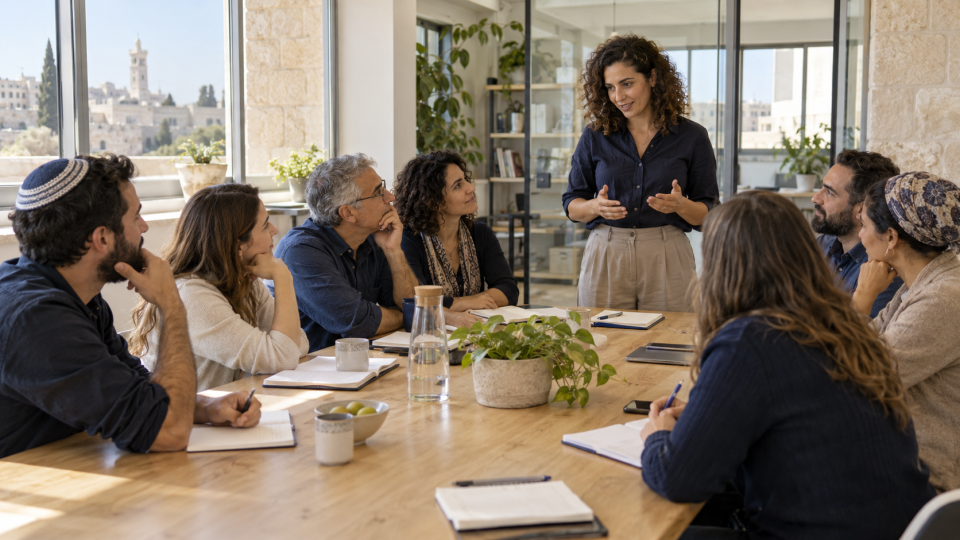
Research, learning and public dialogue help prepare solutions informed by context and participants' experience.

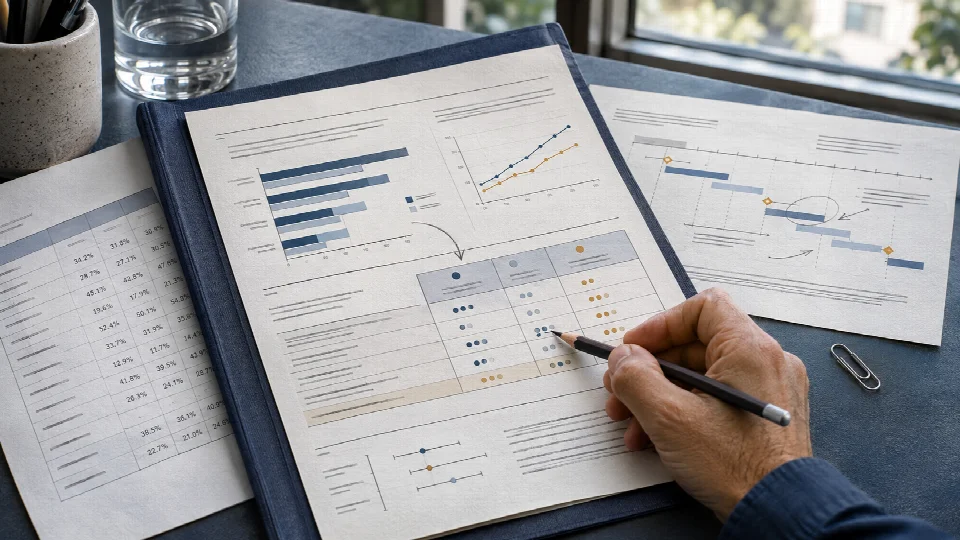
Research evidence, working annotations and a comparison of decision options

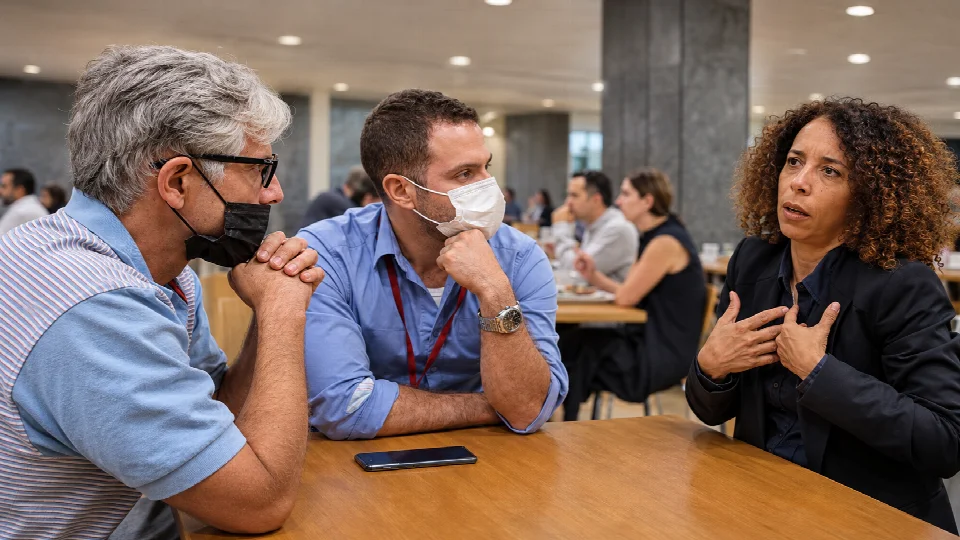
Work around an organisational question

From a question to a reasoned course of action

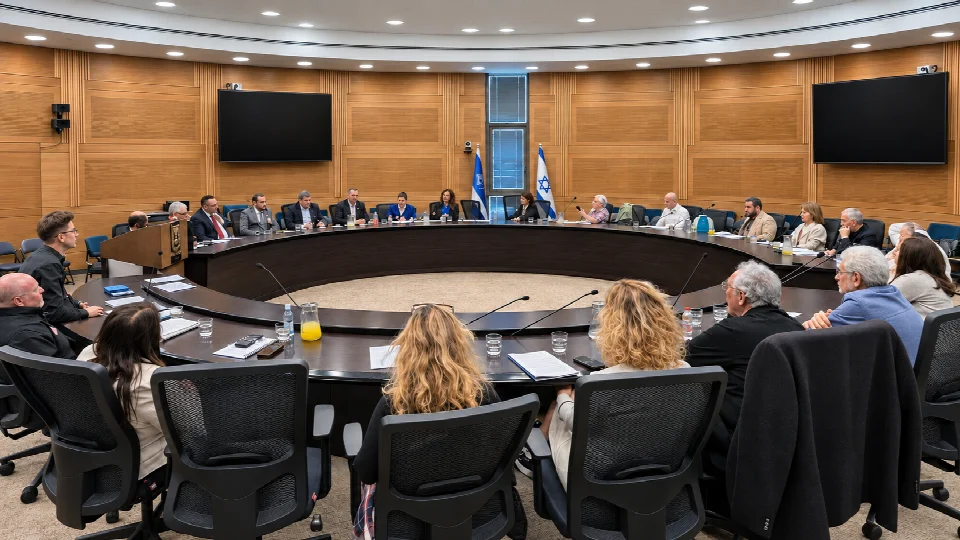
Research begins with a decision to be made. Do you need to understand public responses, resolve conflicting information, assess information risks or compare possible actions? The task determines the method, sources and form of the deliverable.

How we can work together

Four formats for research and analysis

Each format can stand alone or form part of a broader project. Scope, timetable, team and fees are agreed after an initial discussion.

Public opinion

A survey built around a research question

When it helps

Before launching an initiative, changing an organisation’s work or opening a public discussion, when understanding people’s views and differences between groups matters.

What the organisation receives

A report, tables and charts, a methodology statement and a short brief of the principal findings.

How the work proceeds
  • Define the question, target population and testable assumptions.
  • Develop the questionnaire; agree data collection, sampling and the fieldwork provider.
  • Analyse responses, compare groups and describe the limits of interpretation.

What needs to be agreed

Who the survey should represent, which groups to compare and which conclusions the sample supports. Not every survey is representative of the whole population.


Discuss a survey
Analytical work

A dossier on a complex situation

When it helps

When accounts conflict, many actors are involved and a decision requires established facts to be distinguished from interpretation.

What the organisation receives

A structured dossier: executive summary, chronology, actor map, sources and alternative explanations.

How the work proceeds
  • Define the question’s boundaries, period and available sources.
  • Reconstruct the chronology, compare positions and examine key claims.
  • Compare explanations and scenarios, identifying gaps and conditions for revising conclusions.

What needs to be agreed

Available material, the depth of source verification and the questions outside the scope of the inquiry.

Discuss a dossier
Cognitive security

Information-risk assessment

When it helps

When an organisation needs to understand how changes in its information environment may affect trust, coordination and decision quality.

What the organisation receives

A risk map with the basis for assessments, a set of indicators and proposals for verification and escalation procedures.

How the work proceeds
  • Identify consequential decisions, information dependencies and vulnerable points of interaction.
  • Examine open sources, recurring messages and signs of change in the discussion.
  • Develop a risk map, observable indicators and possible response options.

What needs to be agreed

The period, source coverage and update frequency. Attribution requires its own evidence; a message’s popularity alone does not establish coordination.

Discuss a risk assessment
Expert work

A session on a management decision

When it helps

When assessments differ, a decision involves several functions and the alternatives need a focused examination.

What the organisation receives

A short analytical framework, an options comparison and a record of conclusions and open questions.

How the work proceeds
  • Agree the question, participants and preparatory material.
  • Facilitate discussion of assumptions, objections and the consequences of different options.
  • Record agreed points, unresolved differences and necessary next actions.

What needs to be agreed

Expert participation, participants’ authority and the required detail. A session supports preparation of a decision; responsibility for that decision remains with the organisation.

Discuss an expert session

Working deliverables

A document that supports the next step

The format is agreed in advance, from a short executive brief to a detailed report. Whatever its length, readers should be able to see the basis for conclusions and understand how to use them.

The logic of an analytical brief

An example structure; the specific sections depend on the task.

Question and context
The decision to be made and the boundaries of the analysis.
Facts and sources
What is established, where the data come from and where accounts conflict.
Assessment and alternatives
How observations support conclusions and which other explanations remain possible.
Options for action
What can be done, the constraints involved and what would trigger a review.

Traceable reasoning

Sources and dates make the basis of significant claims visible.

Distinct information types

Facts, expert assessments and recommendations are identified separately.

Limits of inference

Uncertainty and methodological limitations form part of the research result.

Open research

Examples of our approach and materials

The open publications illustrate the methods, use of sources and presentation of conclusions. The materials for your organisation’s task are agreed separately.

Cooperation

Start with the task and its boundaries

A project is agreed in light of the question’s public relevance, the centre’s research capabilities and available data. The initial discussion should produce a clear plan, rather than a promise of a predetermined conclusion.

Brief description

The organisation, question, decision to be made and desired timing. General information is sufficient for the first contact.

Agreement

Scope, method, team, stages, fees, working language and use of the deliverable. Access to sensitive material is agreed separately.

Research and review

Work with data, discuss emerging questions, prepare materials and hold a final meeting on findings and limitations.

Team development

When the objective is to build internal capability

Separate programmes for leaders and analytical units cover cognitive security, analysis of information influence and team crisis exercises.

Explore the programmes

Before getting in touch

Can we commission a single stage?

Yes. Work can begin with defining the research question, reviewing open sources or holding an expert session. Further work is agreed in light of that stage.

Can we request a predetermined conclusion?

Conclusions follow the material and method. The question and form of the deliverable can be agreed; fitting data to a desired position cannot.

What should the first message contain?

Briefly describe the task, organisation, intended outcome and timing. Add links to public materials if available. Do not send third-party personal data or restricted documents through the general form.

Will the result appear on the website?

Use and any publication of materials are agreed before work begins. Open research on this website does not mean that every enquiry or project is automatically published.

Collaboration

Tell us about your challenge

What situation do you want to understand or change? Who is involved and what materials are already available?

Prepare a description as the starting point for discussing the approach, scope and format.

Team contact details →

Your enquiry is stored on a protected server and forwarded to the editorial team. Choose how we can reply; see the privacy policy for details about data processing.

DOR MORIAH · SOVEREIGNTY

Research materials

Let’s continue
the research
conversation

Extended research materials are available by arrangement with the Dor Moriah team.

Selected materialSovereignty

Request access

Describe your research question and how you plan to use the materials. We will contact you through your chosen channel to discuss access.