



Ideas and models/ Sovereignty

A Dor Moriah research programme

Sovereignty

The sovereignty triad: concept, methodology and research tools.

Nine dimensions for analysing state capabilities and critical dependencies.

A framework by Igor Kaminnik

Model structure

Three pillars.
Nine dimensions of analysis.

Each dimension examines a distinct aspect of autonomy. Open one to see the research question, the mechanisms and the materials for further study.

Setting goals

Spirit

A worldview, an information environment and institutional foundations.

Worldview

What to examine

Goals, criteria for success and ways to evaluate decisions.

Mechanisms

  • Education and Career
  • Expert networks
  • A vision of the future

Who sets goals and criteria for success?

Explore this dimension ↗Related indicators →
Information

What to examine

Public access to information and the infrastructure for its dissemination.

Mechanisms

  • Platforms and algorithms
  • Access infrastructure
  • Media and data

Who shapes the public understanding of events?

Explore this dimension ↗Related indicators →
Institutions

What to examine

The rules, contracts and procedures that determine the functioning of the institutions.

Mechanisms

  • Law and compliance
  • Standards and access
  • Conditions of agreements

Whose rules apply within the country?

Explore this dimension ↗Related indicators →
Decisions and action

Arms

Military, political and diplomatic independence.

Military autonomy

What to examine

The resilience of defence capabilities when external support changes.

Mechanisms

  • Supplies and services
  • Data and infrastructure
  • Conditions of use

Is it possible to operate without outside permission?

Explore this dimension ↗Related indicators →

Political decision-making

What to examine

Decision-making processes and the relationships among the people and institutions involved.

Mechanisms

  • Financing
  • Personal and career connections
  • External recognition

Who influences decisions?

Explore this dimension ↗Related indicators →

Diplomacy

What to examine

The ability to choose coalitions, positions and negotiating formats.

Mechanisms

  • Diplomatic protection
  • Commitments and coalitions
  • The agenda of the negotiations

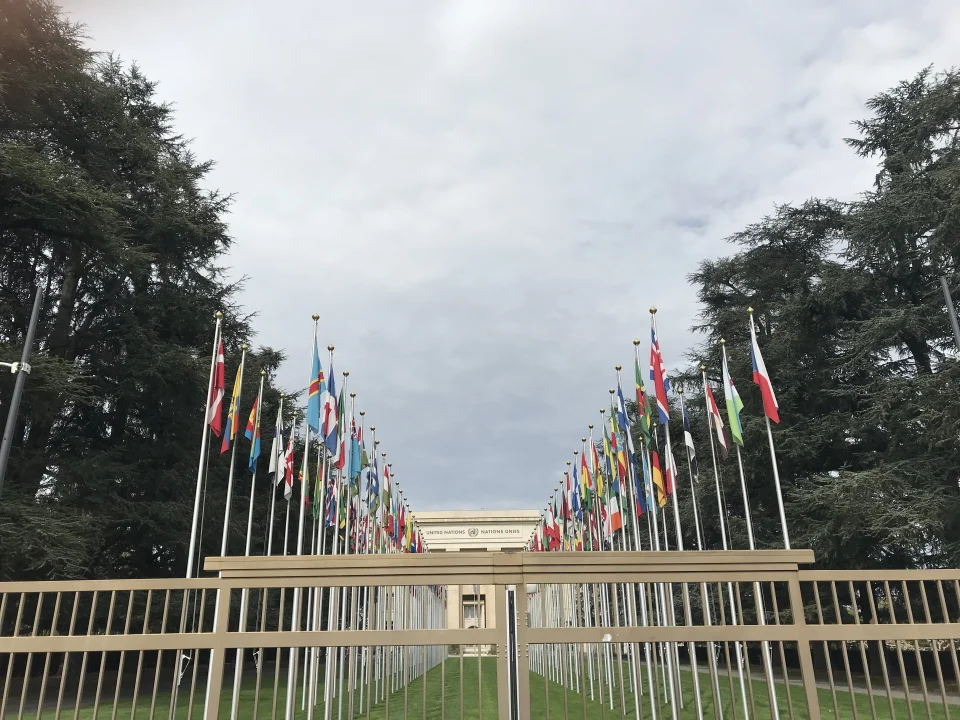
Can the country take an independent position?

Explore this dimension ↗Related indicators →
Conditions for action

Resources

Economic, technological and demographic potential.

Economy

What to examine

Payment and settlement, supply chains and the use of natural resources.

Mechanisms

  • Financial channels
  • Production and logistics
  • Natural resources

Who controls the flows and critical nodes?

Explore this dimension ↗Related indicators →
Technology

What to examine

Critical components, software and computing infrastructure.

Mechanisms

  • Components and equipment
  • Licenses and updates
  • The cloud infrastructure

Who controls critical technology?

Explore this dimension ↗Related indicators →
Demography

What to examine

Population renewal, skills development and human capabilities.

Mechanisms

  • Skilled personnel
  • Educational pathways
  • Migration connections

Who will build tomorrow’s capabilities?

Explore this dimension ↗Related indicators →

Dependency criterion

When an external link limits autonomy

The model asks whether an external actor can be replaced. A dependency is critical if replacement is impossible within a strategically relevant timeframe without systemic harm.

A critical component in a production system

Illustrative example

External actorSupplier
Critical supplyComponent
Affected functionSystem operation

What happens if the supply stops?

Test whether the alternative works and how long the transition would take
Replacement is available

The function can be maintained

The alternative component is compatible with the system and can be deployed in time. The conditions and consequences of the transition have been verified.

Finding: viable alternative
Replacement not available in time

The evidence warrants investigating a critical dependency

A workable alternative cannot be implemented within a strategically significant period of time without systemic damage.

Finding: capability constrained
Open the worked example

Find the critical function

Identify exactly what would stop working and which decision depends on keeping that function available.

Identify the external actor

Distinguish the manufacturer, the licence holder and the service provider. Establish who can change the terms of access.

Test the replacement

Confirm that a compatible solution, qualified staff and testing are available. Compare the transition time with the maximum tolerable interruption.

State the findings

Prepare a dependency profile that records sources and gaps. Identify what is critical, which alternatives exist and what should be checked first.

Analysis of dependency in an infrastructure project

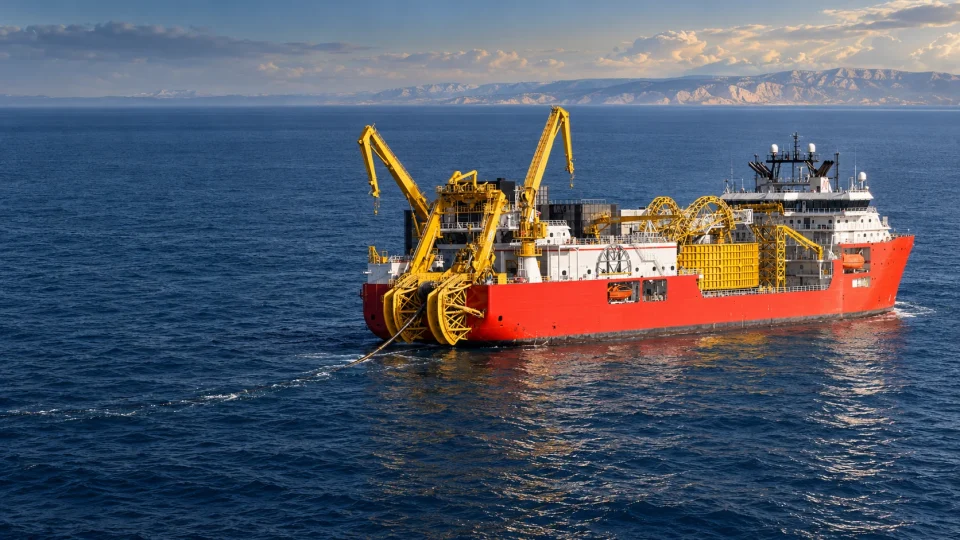
Israel’s Power Cable to Europe Stalls over Libya’s Signature

Read the analysis →

Research methodology

From observation
to an evidence-based conclusion

The research links observed data to a specific mechanism of constraint. Define the subject, time horizon and criteria for evaluating alternatives.

1

Define the research subject

Which capability is being studied, in relation to which actor and over what time horizon?

Output: research question

2

Gather the evidence

Which indicators, sources and observations describe the suspected dependency?

Output: verifiable evidence base

3

Examine the alternatives

Which alternatives are available, how long would the transition take and which functions would it affect?

Output: dependency profile

4

Substantiate the conclusion

What has been confirmed, what assumptions have been made, and where is additional information needed?

Output: conclusion with limitations

Requirements for data and interpretation
Traceability
The source, date of observation and method of obtaining each indicator must be recorded.
Status of the statements
Observed facts, expert assessments and author interpretations are considered separately.
Context and thresholds
The thresholds in the directory require verification for a particular country, industry and period.
Alternative explanations
Coinciding events or the presence of an external actor are insufficient to establish a mechanism of influence.

Measurement and comparison

Assessing sovereignty
and the indicator framework

The conceptual model defines the research questions. Indicators link them to observations. An overall assessment requires a defined calculation method.

How the triad, indicators and assessment fit together

The triad defines nine dimensions of analysis. Indicators connect research questions to observations and verifiable sources.

The handbook includes 88 baseline indicators and 63 proposals. An aggregate score requires a rationale for the weights, normalisation and testing on concrete cases.

Assessment procedure and requirements for the findings ↗

Applying the model

Different conditions.
Different dependency profiles.

The author’s qualitative case studies illustrate how the framework applies in different political settings. They provide no new index calculations.

IsraelInternal divide × external military and diplomatic dependencies

Israel has an asymmetrical profile. Its defence and technology industries are strong, yet it relies on external supplies for certain categories of ammunition and on diplomatic cover in international bodies. Domestic polarisation divides the Spirit pillar, and competing solidarities do not converge on shared goals. The main vulnerability lies where divisions in Spirit meet external dependencies in Arms, even when resources are available.

Open the profile and related dimensions ↗
EuropeSpeed of withdrawal of support × time needed to restore domestic capabilities

Europe reflects the era of guarantees. It has substantial resources, strong institutions in the Spirit pillar and a structural level 3 military dependency on a single actor. It is now trying to regain within a few years capabilities that were outsourced for decades. Rebuilding military sovereignty takes far longer than losing it.

Open the profile and related dimensions ↗
Kazakhstan and Central AsiaRoom for diplomatic manoeuvre × dependence on several centres of power

Central Asia, especially Kazakhstan, illustrates how a multi-vector foreign policy can sustain substantial diplomatic sovereignty even as neighbouring powers penetrate the financial, technological and information domains. Balancing those actors against one another is both a strategy and a way to keep their penetration below level 3.

Open the profile and related dimensions ↗
DOR MORIAH · SOVEREIGNTY

Research materials

Let’s continue
the research
conversation

Extended research materials are available by arrangement with the Dor Moriah team.

Selected materialSovereignty

Request access

Describe your research question and how you plan to use the materials. We will contact you through your chosen channel to discuss access.