
 Global connections
 Research & archive


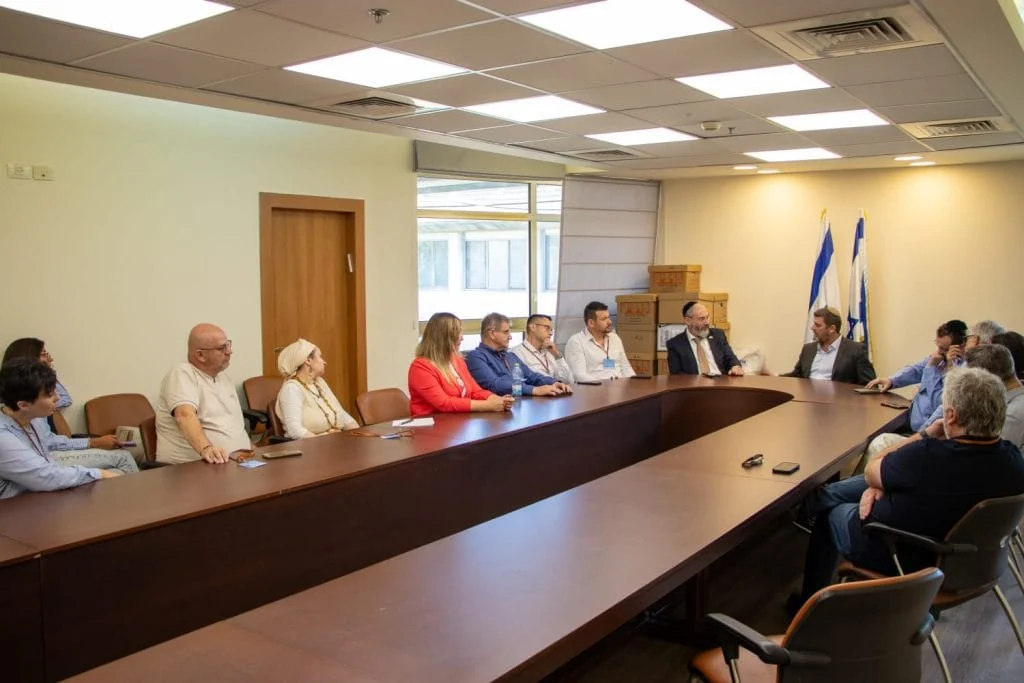
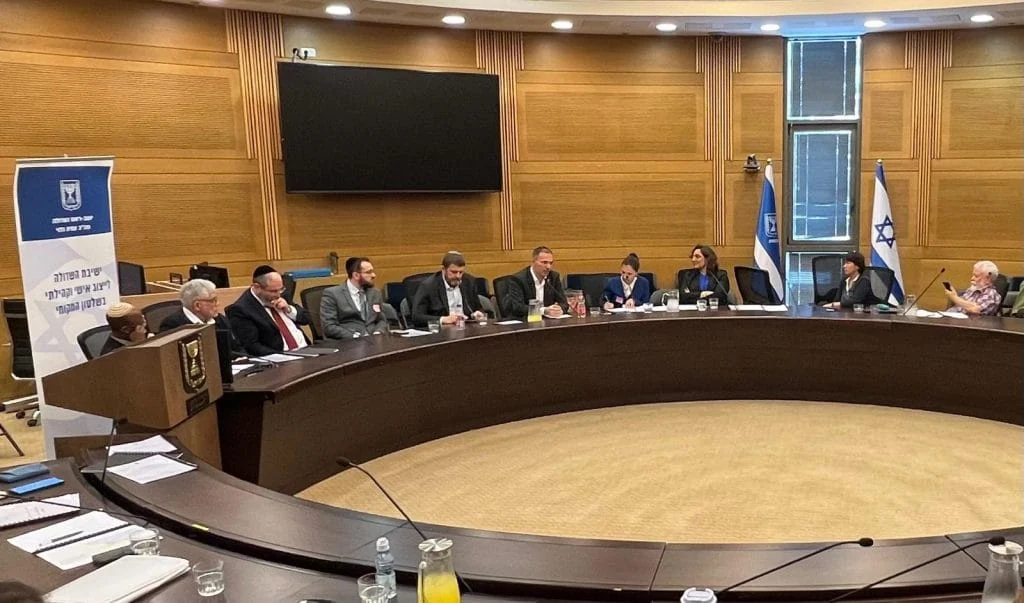
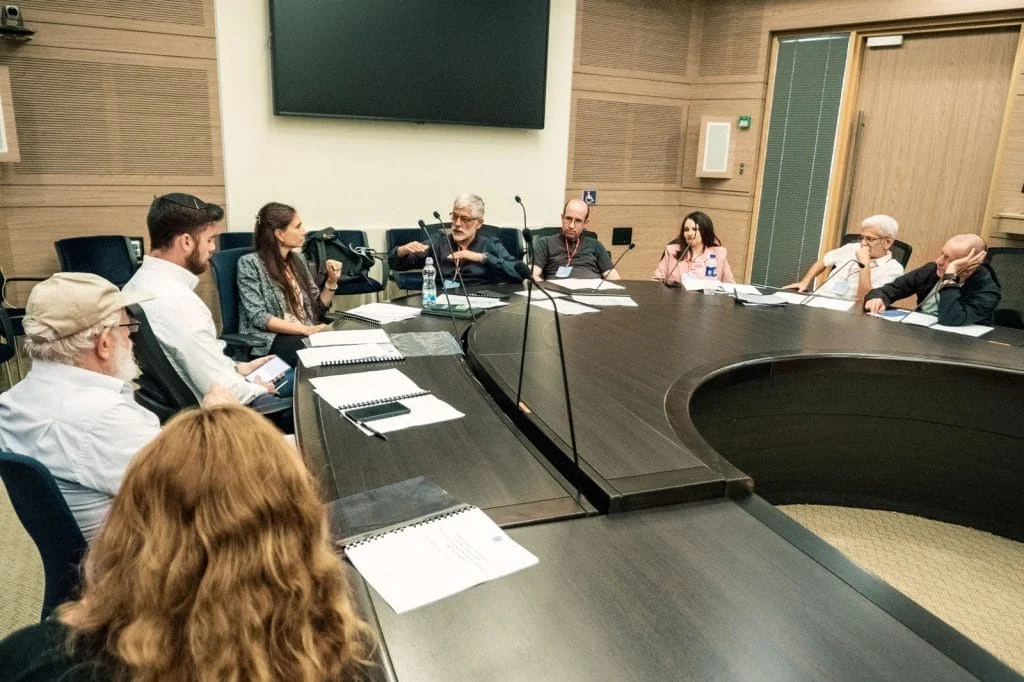
The proposed status of neighbourhood committees
The Hebrew draft sets out elections, funding and public oversight. The centre’s July briefing is available in English.
Read the draft in Hebrew
We research. We teach. We help people recognise information influence.
Explore researchThree interconnected pillars of sovereignty: spirit, arms and resources. We examine a state’s own capabilities and its critical dependencies.
Learn more The Presidency as an Exit Guarantee: A Scheme for Netanyahu Does Not Secure Eisenkot the Premiership
 The “Change Bloc” Against Change. Eisenkot’s Coalition Moves First to Restore the Judiciary’s Long-Held Power
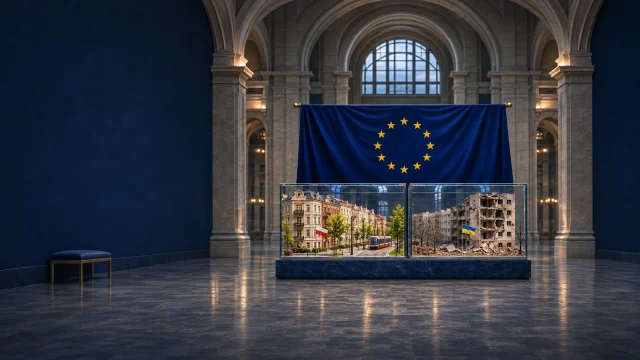 Two EU showcases: Polish development and Ukrainian war
Search titles and full texts of published materials.
All publications → 2025 · 2024 · 2023 Historical archiveExplore research, analysis and events by year and topic. LearningSchool of SolidarityThe practice of working together on community issues.
Start with the published materials, then discuss your question with the centre.
Contact the centreLegislative initiative
Lobby for personal and community representation in local government
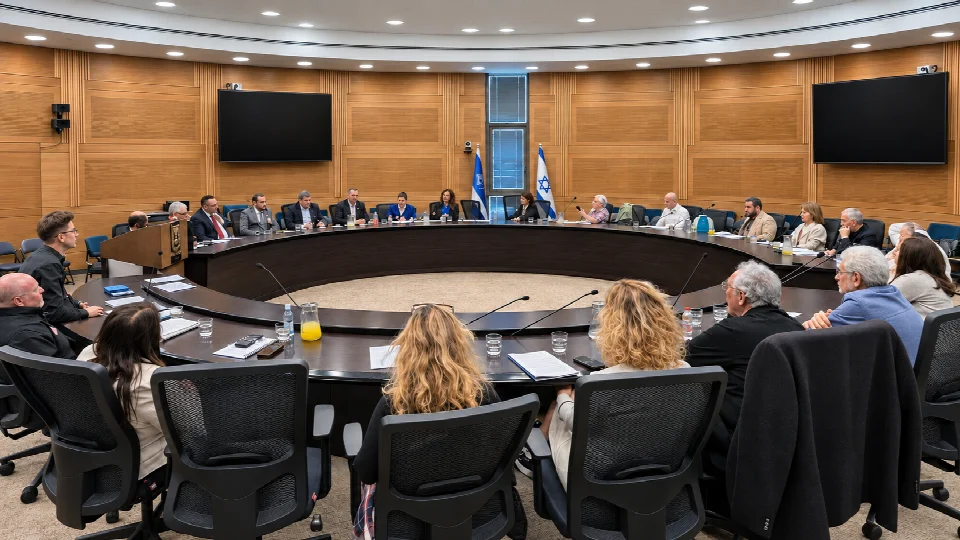
How can residents choose someone to speak for their neighbourhood when the city makes a decision? Dor Moriah brought that question to the Knesset. At the centre’s initiative, MK Amit Halevi (Likud) registered the parliamentary lobby.
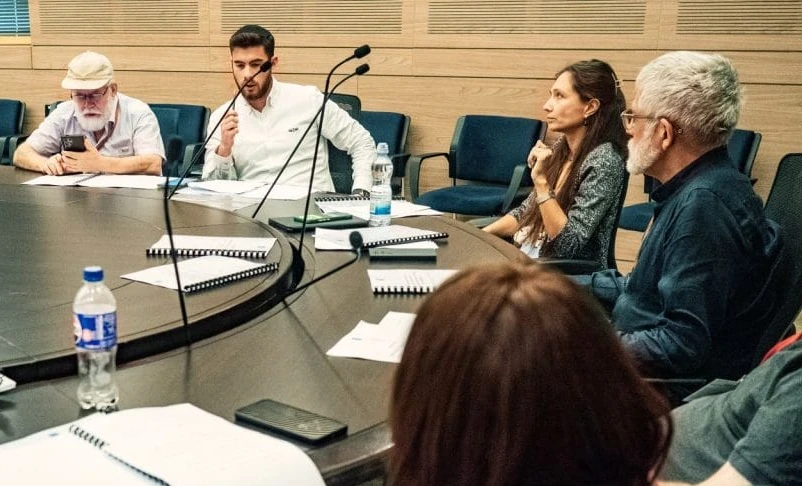
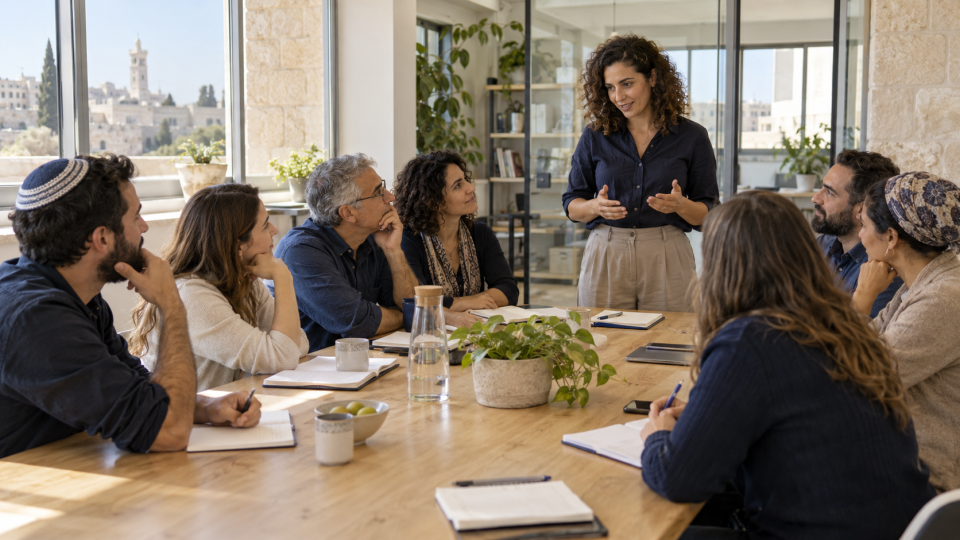
Imagine the city is planning to rebuild your street. Under the proposal, residents could elect a committee that the municipality would have to consult before deciding on the plans.
city residents. The proposal applies to municipalities above this threshold.
of residents in a neighbourhood would need to support forming a committee.
for the municipality to facilitate forming a committee once the law took effect.
Residents would elect committee members directly, at the same time as municipal elections. The committee would represent the neighbourhood on the municipal council.
The municipality would have to consult the committee on neighbourhood planning, development and infrastructure, including matters such as housing renewal and public spaces.
The bill provides for municipal funding per resident and earmarked grants. The committee could propose local projects and would have to publish agendas, minutes, accounts and an annual report.
Dor Moriah brings residents’ proposals and expert findings to Knesset members. The work concerns the legal standing of neighbourhood committees and the rules for managing and overseeing local resources.
Define how committees would be elected, what they could do and how they would be funded.
Bring research and residents’ proposals into discussions with lawmakers about the wording of the bill.
Work through what the proposed rules would mean in a particular neighbourhood with residents, municipal officials and specialists.
The Hebrew draft sets out elections, funding and public oversight. The centre’s July briefing is available in English.
Read the draft in HebrewDor Moriah records the draft as registered on 25 May 2026 under internal number 2243531. The provisions described here are proposals.
Briefing for the 21 July meetingDecember 2025 discussion noticeDiscuss a neighbourhood issueA question, an idea or a collaboration — tell us what you would like to discuss. We will reply through your chosen channel.