

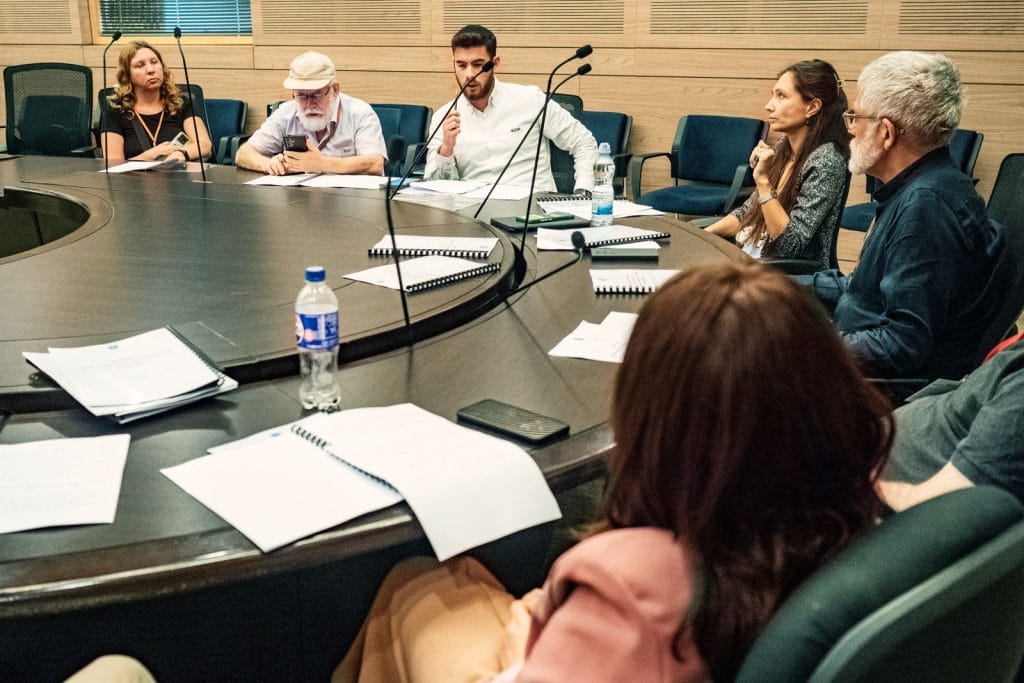
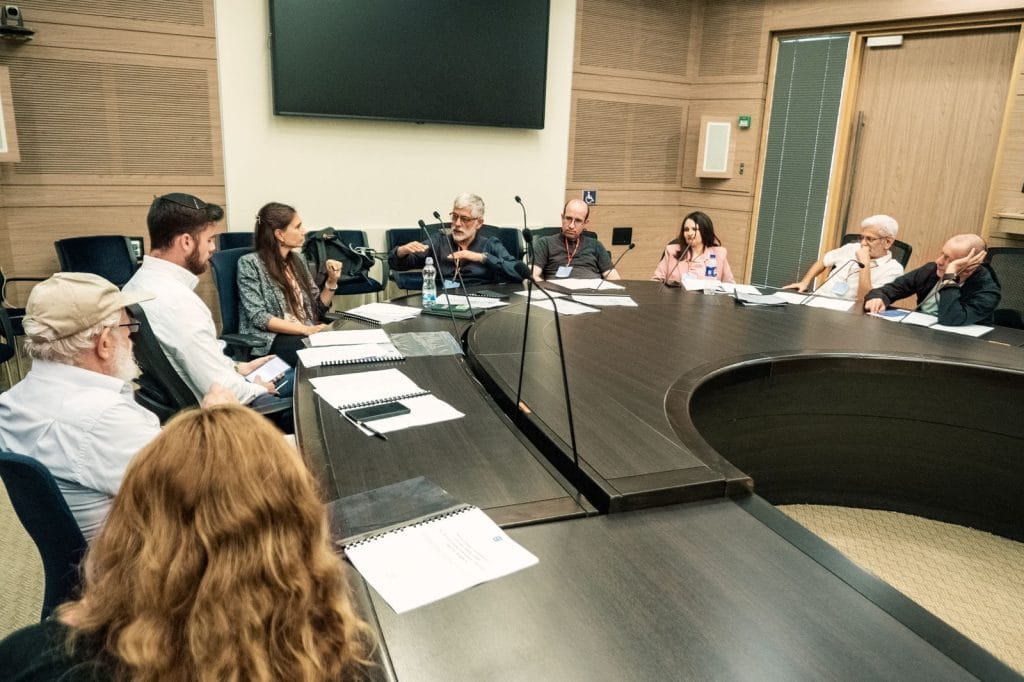
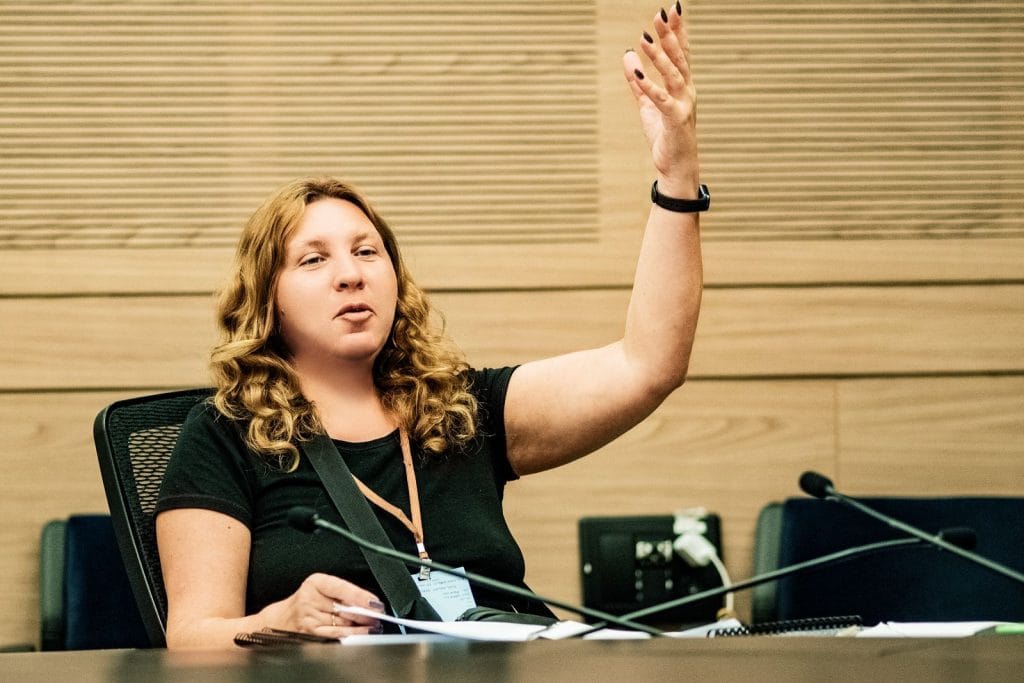
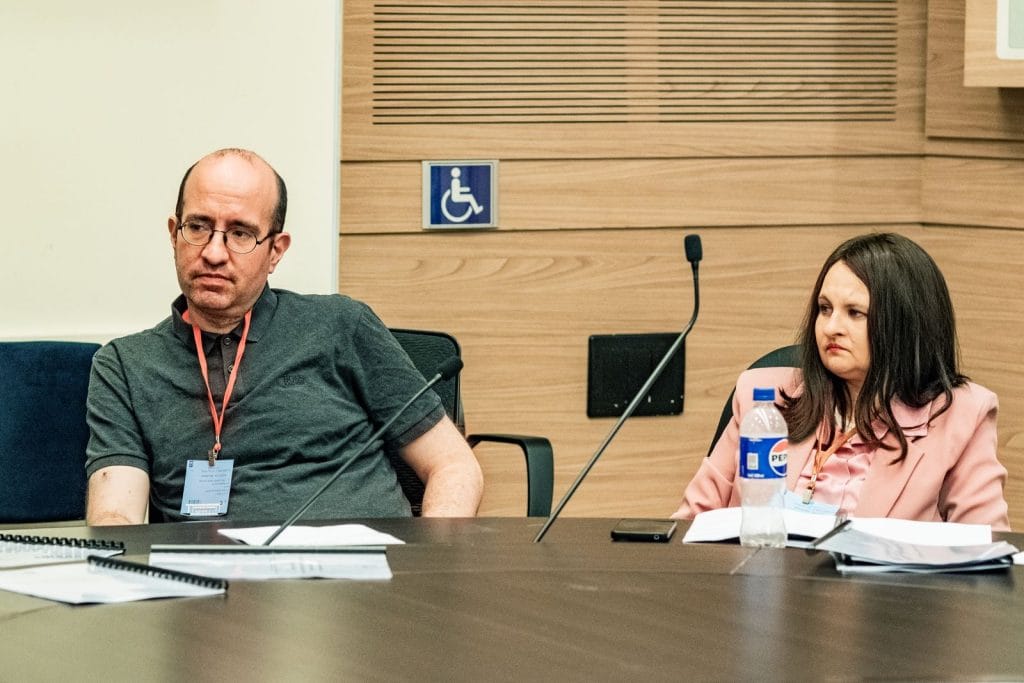
July 21, 2025 — A Knesset caucus convened today to advance legislation establishing neighborhood councils in Israeli cities, positioning the reform as a potential remedy for deepening social fractures. The session, organized by the Dor Moria Research Center and sponsored by Likud MK Amit Halevi, brought together lawmakers and experts to hash out contentious provisions in the proposed bill before its submission to the Knesset’s legal department.
The Proposed Framework
The updated bill would require cities with more than 50,000 residents to establish neighborhood committees through direct elections held alongside municipal races. These bodies would gain formal powers to advocate for residents and launch local initiatives, with built-in transparency requirements and public accountability measures.
A Nation Divided
The push for local governance reform comes amid stark findings about Israeli society’s growing polarization. Dr. Lola Kolpina, a sociologist who led a July 2025 survey of over 1,000 Israelis for Dor Moria and Geocartography, presented sobering data:
- Nearly a third (31.7%) now view the Arab-Israeli conflict through a religious lens — as a clash between Judaism and Islam
- The most popular position, held by 30.8%, favors complete annexation of Palestinian territories
- A striking 62% doubt peaceful coexistence is possible, even following hypothetical annexation
- The religious-secular divide has widened to what researchers call “critical levels”
“These findings show why we urgently need mechanisms to rebuild trust between communities,” said Igor Kaminnik, who heads Dor Moria. “When neighbors work together on shared problems, it creates bridges that ideology alone cannot.”
Learning from Global Models
Israel wouldn’t be breaking new ground. New York operates 59 community boards, Los Angeles maintains 99, and France mandates similar structures in any city over 80,000. The Israeli version would adapt these models to local needs.
Michael Moore and Gregory Pelman, urban policy experts at Dor Moria, see particular promise in linking neighborhood councils to urban renewal efforts. “When you’re renovating neighborhoods under Pinui-Binui programs, you can leverage developer funding to build 14 types of community infrastructure — playgrounds for Haredi families, co-working spaces for secular professionals, facilities that serve everyone,” they explained. “It’s concrete problem-solving that brings people together, regardless of their worldview. With 2.5 million Israelis living in aging, sometimes dangerous housing, we can’t afford to let lawyers, developers, or bureaucrats derail these projects.”
Alexander Feinerman, a veteran project manager and arts administrator, suggested the councils could also champion grassroots educational and cultural programs, further strengthening community bonds.
Modernizing an Antiquated System
Participants agreed that Israel’s local governance structure — designed when the country had fewer than a million residents — is overdue for an overhaul. Today’s 9-million-strong population, concentrated in major cities, faces challenges the founders never envisioned.
The current party-list electoral system compounds the problem by preventing residents from selecting neighborhood-specific representatives, leaving many feeling disconnected from local decision-making.
What’s Next
Following today’s discussions, the bill’s sponsors will incorporate feedback before submitting it to relevant Knesset committees in the coming months. Several municipalities are expected to launch pilot programs to test the concept and refine implementation details.
If enacted, the reform could mark a watershed moment for Israeli democracy — creating new channels for civic engagement while helping heal the social wounds exposed by recent conflicts.
Materials for the Parliamentary Lobby